 Skip to content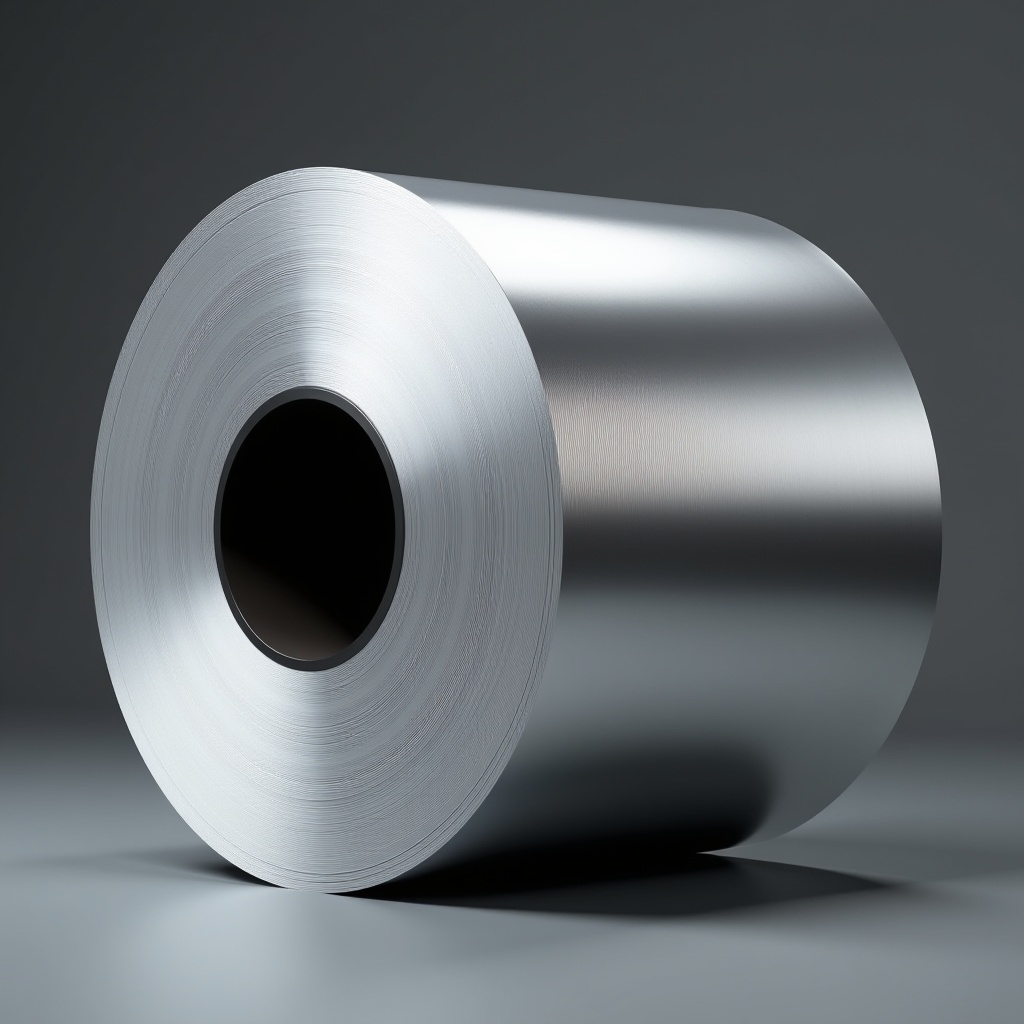
Description
Chemical Composition and Mechanical Properties of 316LN Stainless Steel
316LN (S31653) is a low-carbon, nitrogen-enhanced version of Type 316 stainless steel with the following composition:
| Element | Percentage |
|---|---|
| Carbon (max) | 0.03 |
| Chromium | 16.0 – 18.0 |
| Nickel | 10.0 – 14.0 |
| Molybdenum | 2.0 – 3.0 |
| Nitrogen | 0.10 – 0.30 |
| Manganese (max) | 2.00 |
| Silicon (max) | 1.00 |
Mechanical Properties:
| Property | Value |
|---|---|
| Tensile Strength (min) | 515 MPa |
| Yield Strength (min) | 205 MPa |
| Elongation (min) | 40% |
| Hardness (max) | 95 HRB |
Applications and Industries Using 316LN Stainless Steel
316LN stainless steel is widely used in:
- Chemical processing equipment
- Oil and gas industry
- Marine applications
- Pharmaceutical production
- Food processing equipment
- Pressure vessels and heat exchangers
- Applications with high magnetic fields
Corrosion Resistance and Performance Benefits
316LN offers excellent corrosion resistance, particularly in chloride environments. The addition of nitrogen enhances:
- Resistance to pitting and crevice corrosion
- Mechanical strength through solid solution hardening
- Resistance to sensitization
Manufacturing Process and Available Forms
316LN is typically produced through controlled rolling processes. Available forms include:
- Plates
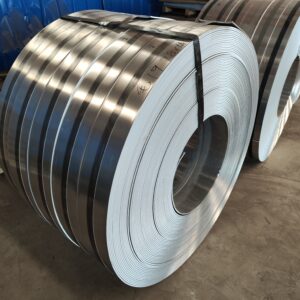
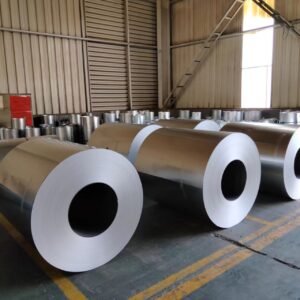
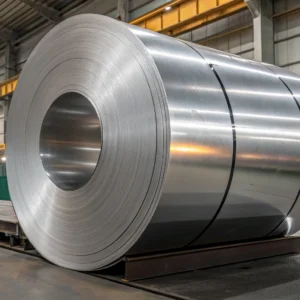
- Coils
- Sheets
- Rods
Welding and Fabrication Considerations
316LN has excellent weldability due to its low carbon content. Key points:
- Post-weld heat treatment is generally not required
- Standard fusion and resistance welding methods can be used
- Filler metals should match or exceed the alloy content of the base metal
Comparison of 316LN with Other Austenitic Stainless Steel Grades
316LN offers superior strength and corrosion resistance compared to 316L:
| Grade | Yield Strength (min MPa) | Nitrogen Content (%) |
|---|---|---|
| 316LN | 205 | 0.10 – 0.30 |
| 316L | 170 | – |
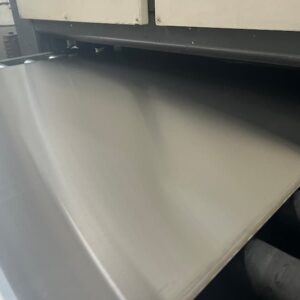
At HL Steel Company, we provide high-quality 316LN (S31653) stainless steel plates and coils, ensuring optimal performance for your corrosion-resistant and high-strength applications.
Reviews
There are no reviews yet.