 Skip to content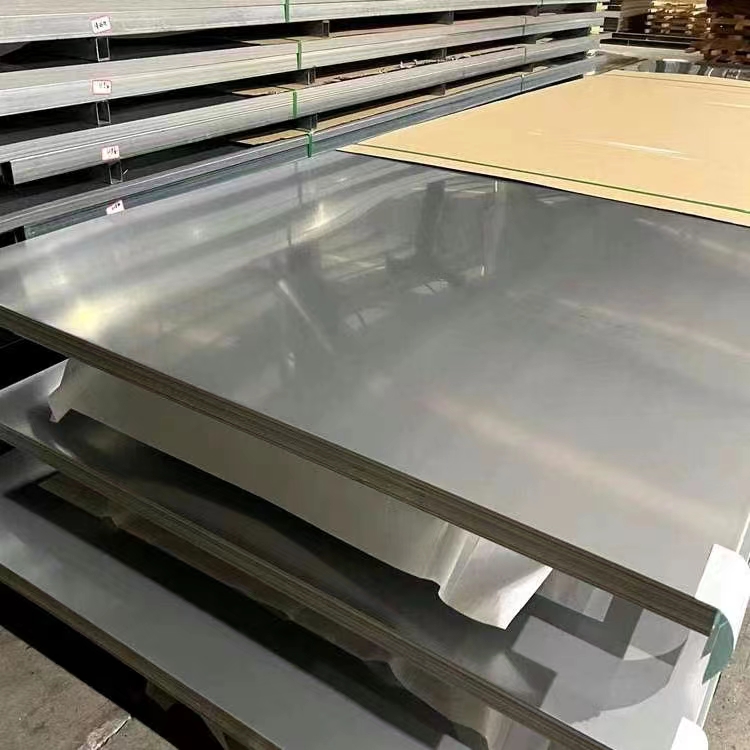
Description
Chemical Composition and Mechanical Properties of Austenitic 316 (S31600) Stainless Steel
Chemical Composition:
| Element | Percentage |
|---|---|
| Carbon (max) | 0.08% |
| Chromium | 16.0 – 18.0% |
| Nickel | 10.0 – 14.0% |
| Molybdenum | 2.0 – 3.0% |
| Manganese (max) | 2.00% |
| Silicon (max) | 0.75% |
| Phosphorus (max) | 0.045% |
| Sulfur (max) | 0.030% |
Mechanical Properties:
| Property | Value |
|---|---|
| Tensile Strength (min) | 515 MPa (75 ksi) |
| Yield Strength (min) | 205 MPa (30 ksi) |
| Elongation (min) | 40% |
| Hardness (max) | 217 Brinell, 95 HRB |
Applications and Industries Utilizing 316 Stainless Steel Plates and Coils
Austenitic 316 stainless steel is widely used in various industries due to its excellent corrosion resistance and mechanical properties:
- Chemical Processing: Equipment for handling corrosive substances.
- Marine Applications: Boat fittings, marine hardware, and seawater applications.
- Food Processing: Equipment that requires high sanitation standards.
- Pharmaceuticals: Manufacturing equipment where cleanliness is critical.
- Oil & Gas: Components in refineries and offshore platforms.
- Pulp and Paper: Equipment used in the production process.
- Aerospace: Structural components that require high strength.
Corrosion Resistance and Performance Benefits of 316 Stainless Steel
- Superior Corrosion Resistance: Compared to other grades like 304, it offers enhanced resistance to pitting, crevice corrosion, and stress corrosion cracking, particularly in chloride environments.
- High-Temperature Strength: Maintains strength at elevated temperatures up to approximately 1200−1300∘F (649-704°C).
- Durability: Retains its mechanical properties with minimal maintenance.
Manufacturing Process and Available Forms of 316 Stainless Steel
Manufacturing Process:
- Produced via controlled rolling processes, followed by annealing to relieve stresses.
Available Forms:
| Form | Thickness Range |
|---|---|
| Plate | Up to 100 mm |
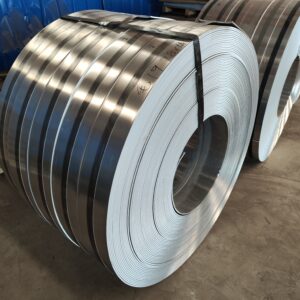
| Coil | 0.5 mm to 12 mm |
Welding and Fabrication Considerations for 316 Stainless Steel
- Weldability: Excellent weldability using standard fusion welding methods; no preheating is required.
- Post-Weld Treatment: Generally not necessary due to low carbon content which minimizes the risk of carbide precipitation.
- Filler Metals: Should match or exceed the alloy content of the base metal.
Comparison of 316 with Other Austenitic Stainless Steel Grades
| Grade | Yield Strength (MPa) | Corrosion Resistance | Mo Content (%) |
|---|---|---|---|
| 316 | 205 | Excellent | 2−3 |
| 304 | 205 | Good | 0 |
| 316L | 170 | Very Good | 2−3 |
At HL Steel Company, we provide high-quality Austenitic 316 (S31600) stainless steel plates and coils, ensuring optimal performance for your corrosion-resistant applications across various industries.
Reviews
There are no reviews yet.